Some adults will say that they can hear just fine, but people are difficult to understand. These same people may pass a basic hearing test, yet still struggle in meetings, restaurants, or even group conversations. This experience can be confusing and frustrating.
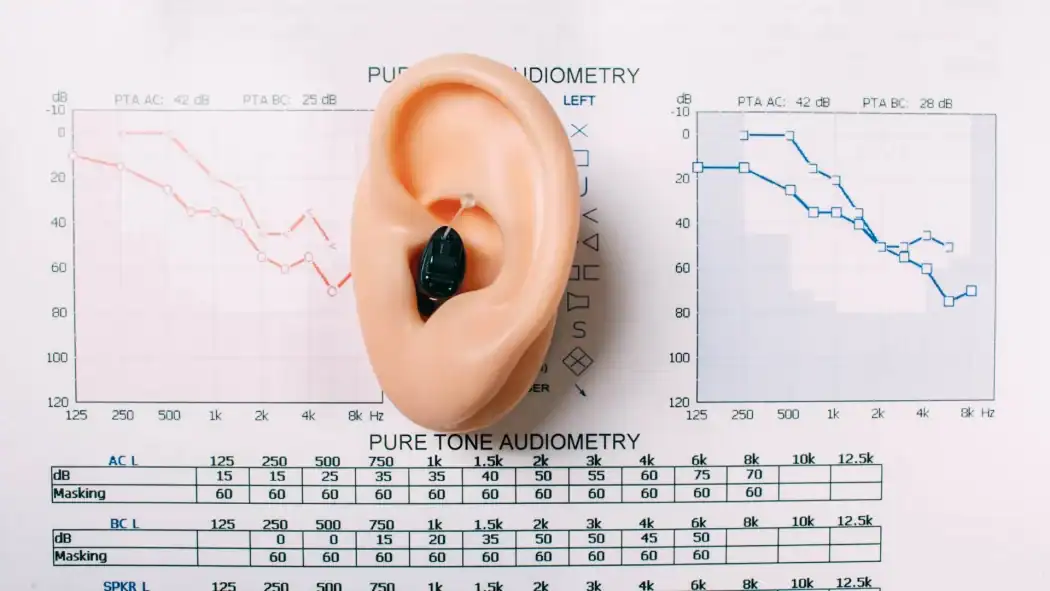
Hidden hearing loss describes hearing difficulty that does not show up clearly on a standard audiogram. Pure-tone testing may appear normal, but the patient still reports trouble understanding speech, especially in loud places. This gap between test results and real-world experience is what makes the condition “hidden.”
Why Standard Hearing Tests May Miss It
A traditional hearing test measures the softest sounds a person can detect at different pitches. It tells us about hearing sensitivity, but not always about how well the brain processes sound.
Speech understanding, especially in background noise, depends on more than just detecting tones. It relies on strong connections between the inner ear and the auditory nerve. If those connections are damaged, a person may hear sounds but struggle with clarity.
What Causes Hidden Hearing Loss?
One potential cause is damage to the synapses that connect inner hair cells to the auditory nerve. This type of damage is sometimes called cochlear synaptopathy. This can happen due to noise exposure or typical aging, as well as a combination of both.
Even if the hair cells remain healthy enough to detect quiet tones, the loss of nerve connections can lower the quality of the signal sent to the brain. This makes it harder to separate speech from background noise.
How Audiologists Identify the Problem
When hidden hearing loss is suspected, speech-in-noise testing becomes especially important. These tests measure how well a patient understands speech with competing background sounds. Poor results despite normal pure-tone thresholds may signal some underlying issue.
Extended high-frequency testing and a detailed case history can further provide useful clues. Asking about noise exposure, even from years ago, can help explain current symptoms. Objective tests such as auditory brainstem response (ABR) may offer additional information in certain cases, though findings are not always definitive. A comprehensive approach is key.
The Role of Noise Exposure
Many adults have a history of noise exposure from concerts, firearms, machinery, or personal listening devices. Even if hearing seemed to recover after exposure, damage may still have occurred at the neural level. This delayed impact can be surprising. Patients may not connect past noise exposure to present-day listening problems. Education about long-term effects is an important part of counseling.
Management Options
While there is no simple cure for hidden hearing loss, several strategies can improve communication. Mild-gain hearing aids may help by enhancing speech signals, even when thresholds are within normal limits.
Remote microphone systems can provide a strong benefit in challenging environments. These systems bring the speaker’s voice directly to the listener, reducing the impact of background noise. Auditory training programs can further support listening skills. Practicing speech-in-noise tasks can help strengthen processing abilities and improve confidence.
Counseling and Validation
One of the most important parts of managing hidden hearing loss is validating the patient’s experience. When someone has been told their hearing is “normal,” they may feel dismissed or misunderstood.
Explaining that hearing involves both detection and processing can bring relief. Patients benefit from understanding that their challenges are real, even if the audiogram does not show a clear loss. Clear counseling builds trust and encourages patients to try recommended strategies.
Preventing Further Damage
Even if thresholds remain within normal limits, protecting hearing is key. Patients with hidden hearing loss may be more vulnerable to additional noise damage. Encouraging the use of hearing protection in loud environments can help preserve the remaining neural connections. Simple habits, such as lowering headphone volume and limiting exposure time, can make a huge difference.
Supporting Long-Term Communication Health
Hidden hearing loss reminds us that hearing health is more complex than a single test result. Pure-tone thresholds are important, but they are only part of the picture. By looking beyond the audiogram and listening carefully to patient concerns, audiologists can provide more complete care. Early recognition, targeted testing, and personalized management help adults maintain strong communication skills and stay engaged in daily life.